Personal library as an algorithmic feed
Over breakfast this morning, Filiz shared some interesting things she had seen on Instagram, and I shared some interesting bits from what I had read last night.
She spends a considerable amount of time on Instagram. Her algorithm feeds her German-learning material, tips and news about Berlin, and the occasional weird thing that happens to be interesting to her.
I spend a considerable amount of time reading. My books are scattered around the house, and I pick them up many times during the day, reading bits and pieces from several of them.
I believe my library works like her Instagram algorithm.
.
I realized this again today when I was telling her excitedly about the I Ching.
For her, it was no different from her algorithm suddenly showing her something weird but interesting.
For me, I already knew a little about it and was super excited to have stumbled upon it in a book that had been lying on a shelf for months.
.
I have been thinking about this idea for a long time now: reading books like a feed:: picking one up, reading something, letting go of it when something else calls for my attention, then grabbing another book when the opportunity arises.
.
I recently met a friend I hadn’t seen for a while, and when I told him that I had been spending more and more time reading, he told me he had completely dropped out of reading. Yet he was still reading a lot online, mostly on Reddit. I explained to him that the reading I am doing can be considered somewhat similar to reading Reddit or Twitter. That instead of relying on an algorithm to feed you the things it thinks you might be interested in, you can take it upon yourself to find the things you are interested in, lay them around your place, and pick them up whenever you want some distraction from work or some wandering of the mind.
.
I think that, inherently, personal libraries are personally curated feeds.
.
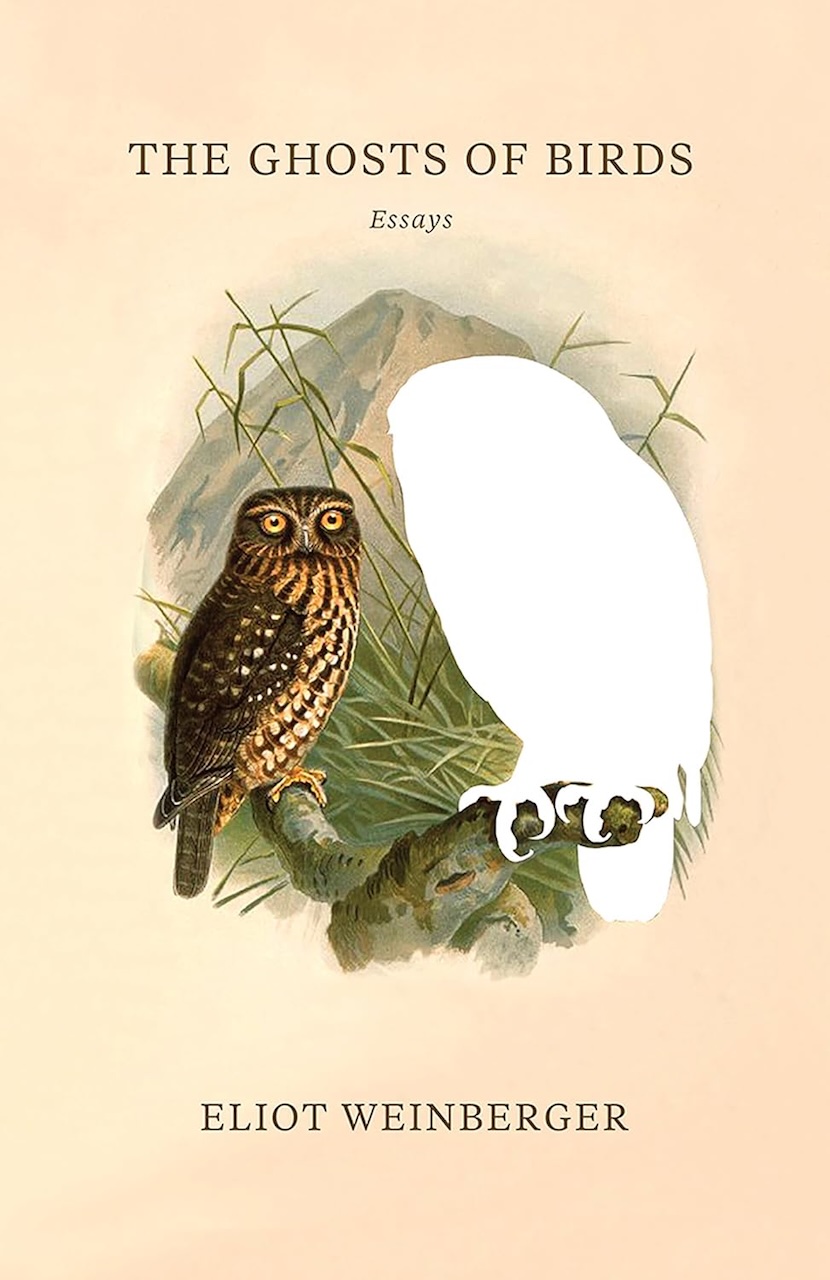
In this particular example, I came across the I Ching in The Ghosts of Birds by Eliot Weinberger. I acquired it because a favorite author, Benjamín Labatut, praised Weinberger’s essays, and I’m into essays these days.
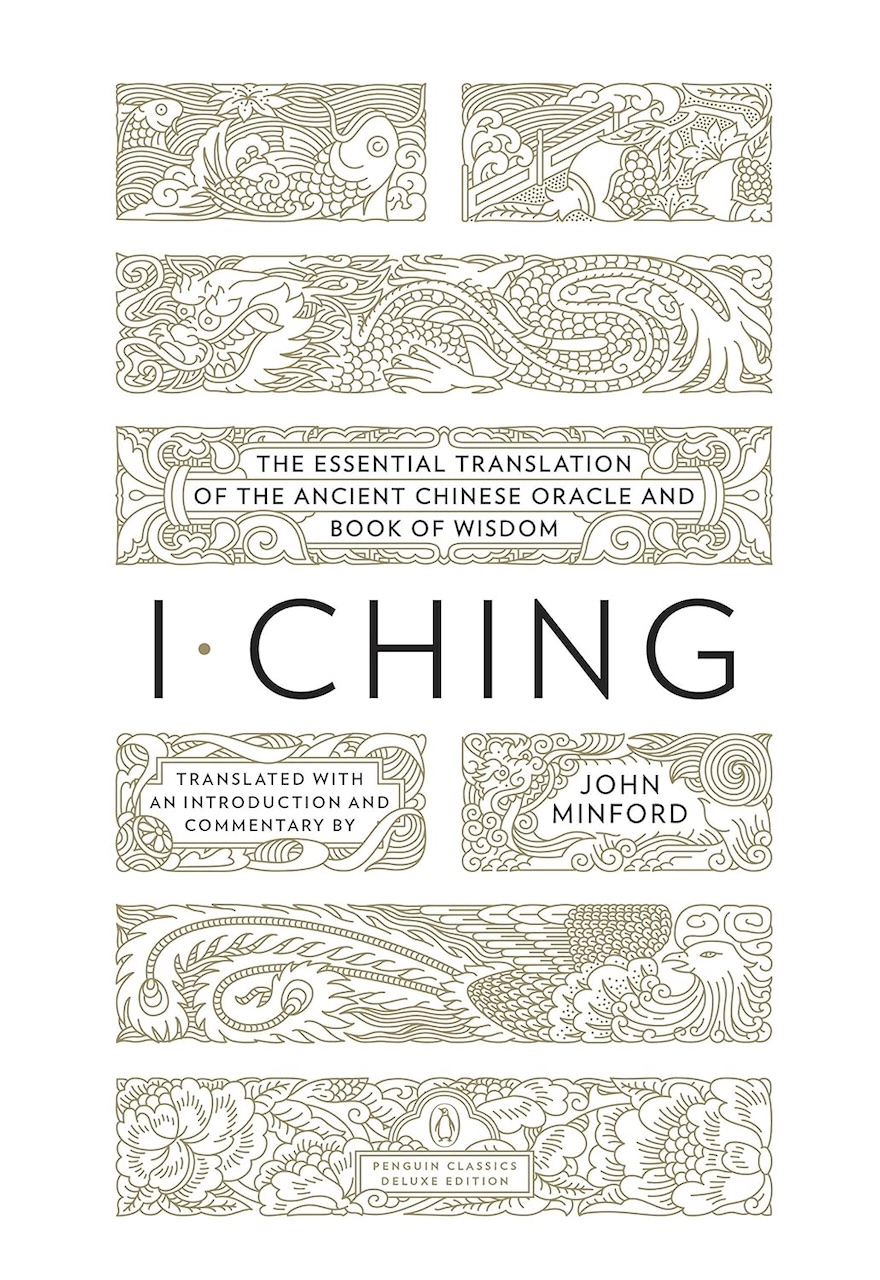
When I opened Weinberger’s book and saw the essay on the I Ching, I chose to start with it, since I had already owned I Ching after Terence McKenna praised it, but I still didn’t know how to approach it. That was the point where the two books met.
Weinberger’s essay was a fun, easy read and gave me ideas on how to approach the I Ching. It was not something I read because it was time to read, and not because I needed to finish the book I had started. I just read that essay and moved on.
.
My library is my algorithmic feed. I put it together myself, and yet it is full of serendipitous surprises.