More than human world
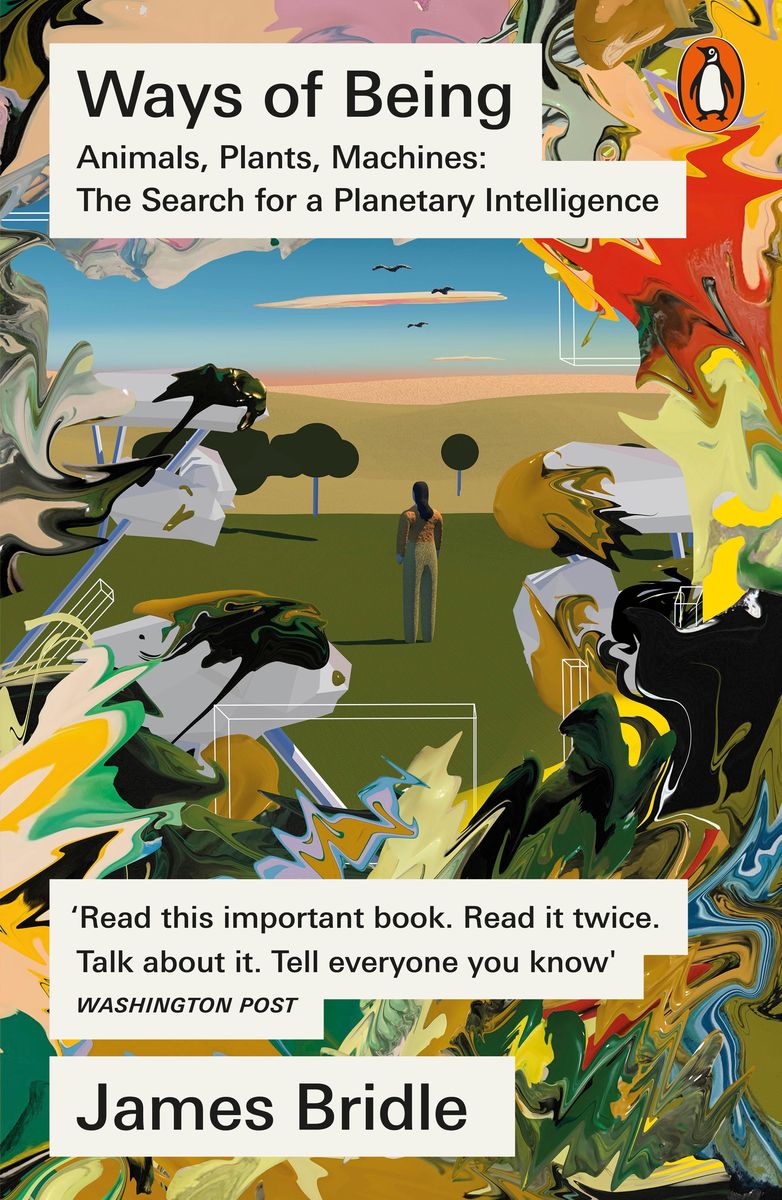
I read this term in Ways of Being by James Bridle. It was coined by American ecologist and philosopher David Abram, and refers to a way of thinking that seeks to override our human tendency to separate ourselves from the natural world.
All human life and being is inextricably entangled with and suffused by everything else. This broad commonwealth includes every inhabitant of the biosphere: the animals, plants, fungi, bacteria and viruses. It includes the rivers, seas, winds, stones and clouds that support, shake and shadow us. These animate forces, these companions on the great adventure of time and becoming, have much to teach us and have already taught us a great deal. We are who we are because of them, and we cannot live without them.
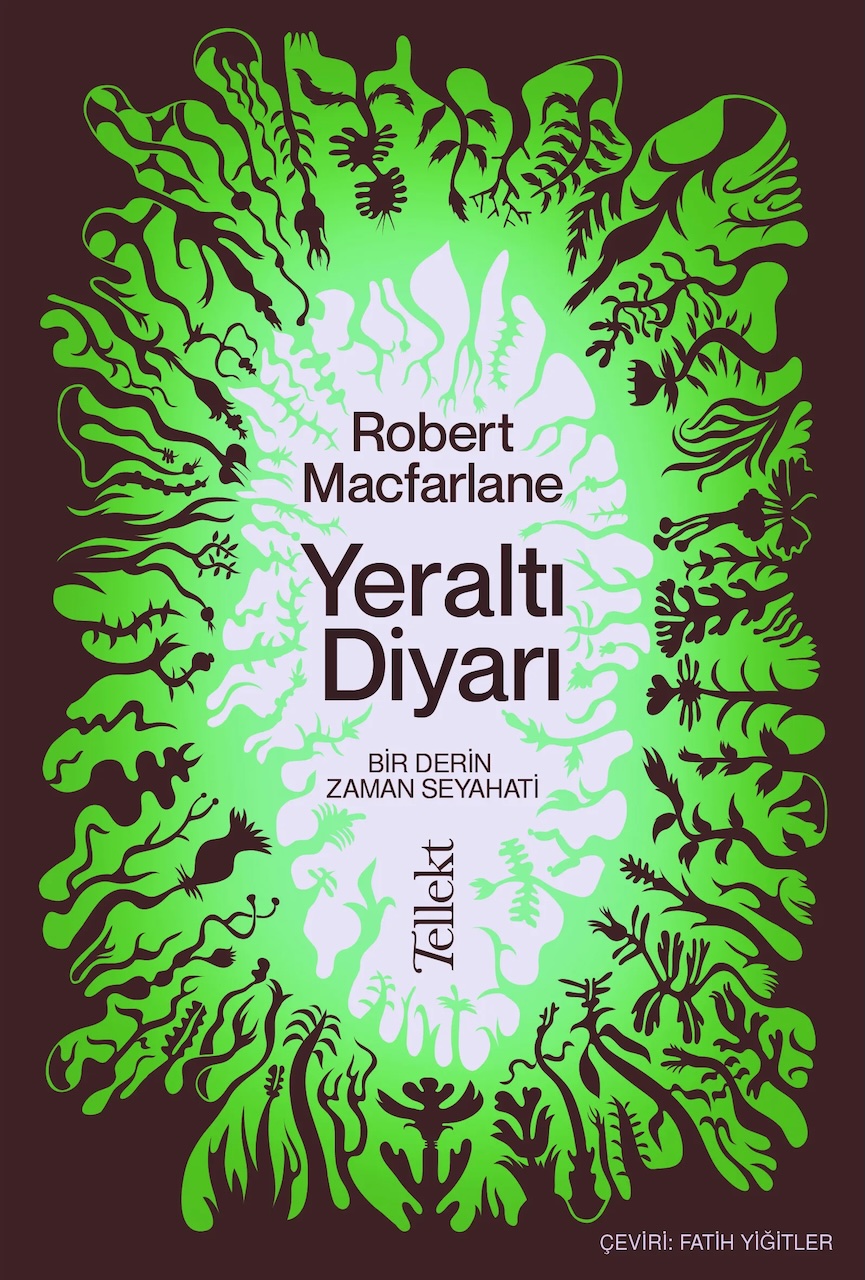
I am reading Underland by Robert Macfarlane, and the same concept appears here too.
Botanist and citizen of the Potawatomi Nation, Robin Wall Kimmerer points out that western languages are missing something that is predominantly an acknowledgment of life in the more-than-human world. She adds that this indifference is ingrained in language not just at the level of individual words, but at the deeper levels of grammar and syntax.
For example, the Potawatomi language has the word puhpowee, which might be translated as "the force which causes mushrooms to push up from the earth overnight."
I have been thinking about language recently — how we are born into it and how it shapes our world.
Words are world-makers—and language is one of the great geological forces of the Anthropocene.
Writes Macfarlane. I agree. When I try to observe my own thoughts, I struggle to make sense of any of it without putting it into words.
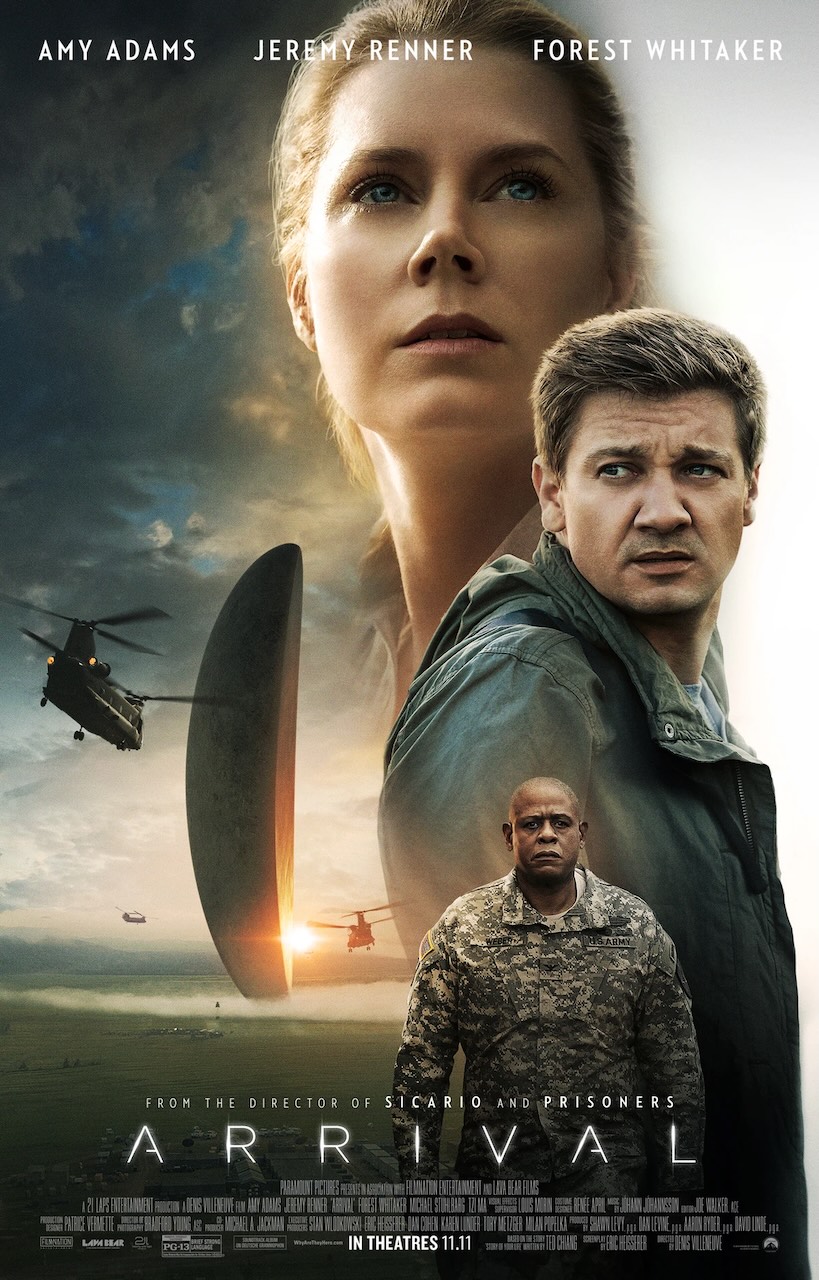
I tried to imagine a new way of communication. What if we could drop colorful paint onto our thoughts and observe their transformations, and the flow of those patterns became how we communicated? Writing this now, I realized how similar it sounds to the alien ink patterns in Denis Villeneuve’s Arrival.
"Maybe, then, what we need to understand the forest’s underland ... is a new language altogether—one that doesn’t automatically convert it to our own use values. Our present grammar militates against animacy; our metaphors by habit and reflex subordinate and anthropomorphize the more-than-human world. Perhaps we need an entirely new language system to talk about fungi … We need to speak in spores."
Macfarlane arrives somewhere similar to where I found myself that morning.
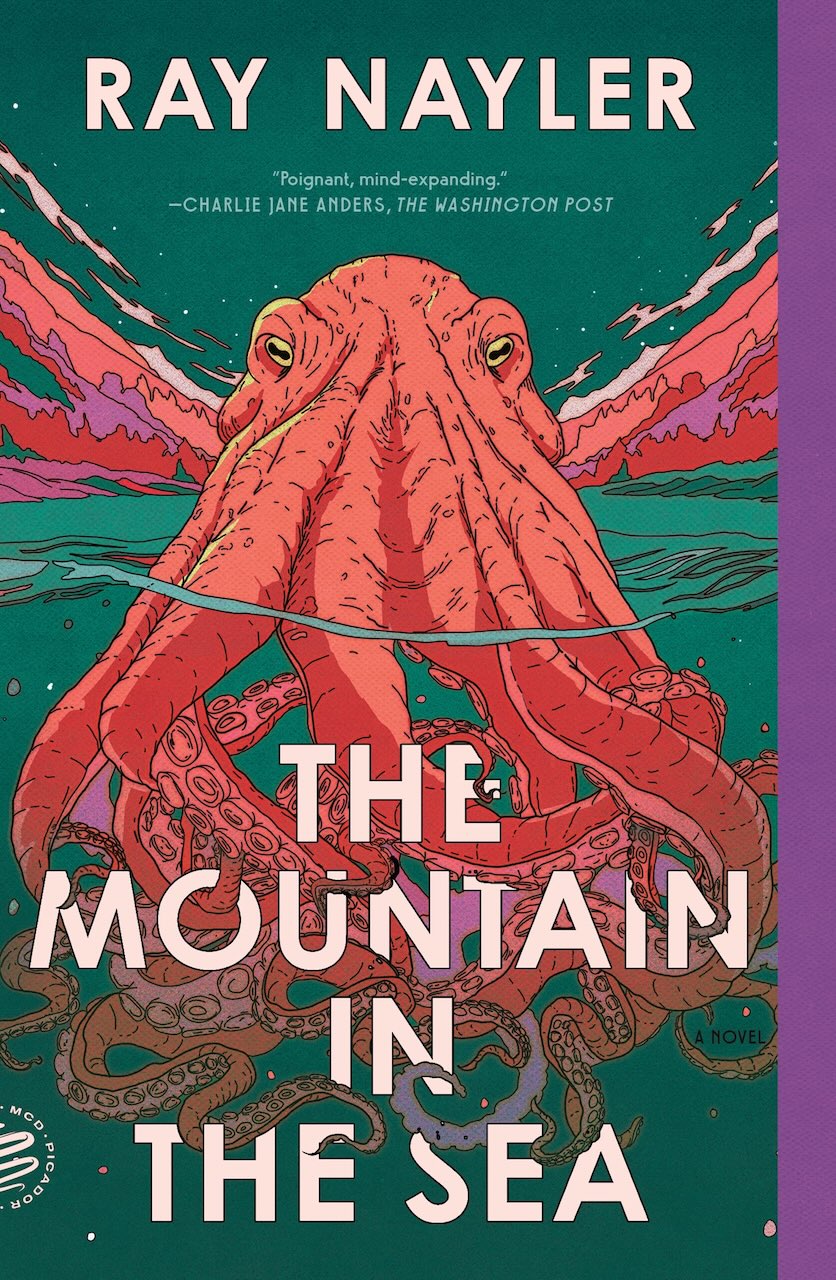
I am now reading The Mountain in the Sea by Ray Nayler, and he too looks at language from a similar angle:
It is not just the symbols we use in our language that are arbitrary—it is what we choose to signify with them.
We give words only to the things that matter to us as a society. The things that make no difference to us are erased from our world by never becoming a part of language in the first place.
In this way, each language organizes the world into a pattern. Each language decides what has meaning—and what does not. As native speakers, we are born inside this pattern, this semiotic cosmos.