I’ve made a habit of writing down the ideas that resonate with me, along with where they came from. You can browse them by the themes below.
- Writing
- Cognition
- Photography
- Philosophy
- Language
- Creativity
- Memory
- Learning
- Reading
- Society
- Noticing
- Knowledge
- Attention
- Communication
- Narrative
- Connection
- Perception
- Product Design
- Time
- Meaning
- Framing
- Art
- Product-design
References
All notes
-
 The subjectivity of reality
I was playing Celeste on Switch, and when Celeste met her other self, she says something like, "You look so creepy," and her other self replies, "This is just what I look like, Okay? Deal with it." I find it …
-
 What’s it like to be an octopus
I am watching a YouTube video titled The Insane Biology of: The Octopus and it just showed a cross-section of octopus skin. There is an outer layer called papillae, that can raise into bumps and ridges. Beneath …
-
 Eskenazi’s boxes
I’m listening to Jason Eskenazi discuss his approach to photography on Paulie B’s YouTube series Walkie Talkie. Eskenazi describes having several projects that unfold over many years. Within each project, …
-
 Building knowledge around central themes
I am reading Julie Bogart’s book, The Brave Learner. The central theme of the book is to make learning a magical, enchanted experience. To find the joy in learning. She suggests to start with putting the interest …
-
 Going back to stone
I am watching a short video on Isamu Noguchi by SFMoMA and I particularly found his remarks on the limitations of the industry relevant. If you want to live and work in an industrialized situation, you have to use …
-
 Posting a memory forward to a distant future
I am reading The Overstory by Richard Powers, and in the book Patricia tells her botany students (emphasis mine): “Billions of years ago, a single, fluke, self-copying cell learned how to turn a barren ball of …
-
 My having-oriented understanding of wisdom
I am reading Alone with Others by Stephen Batchelor. The first chapter of the book is about having and being, and this paragraph stood out to me: It is symptomatic of our having-oriented culture that the most …
-
 Hockney’s wandering eye photos
I started reading Jenny Odell’s book How to Do Nothing. I bought this book a while ago. I was browsing the book at Dussmann, opened a random page which happened to be page 96 and Odell was talking about David …
-
 Come with me down this line, and we'll get somewhere interesting
I was listening to Adam Curtis on The Adam Buxton Podcast (episode 44), where he talks about how politics works best with narrative. He says he came to this realization partly through working with Punchdrunk, the …
-
Why go down the rabbit hole
Jenny Odell writes in How to Do Nothing: So why go down the rabbit hole? First and most basically, it is enjoyable. Curiosity, something we know most of all from childhood, is a forward-driving force that derives …
-
 The carrier bag theory of my website
I am reading Ursula K. Le Guin’s The Carrier Bag Theory of Fiction, in which she suggests that before tools for cutting, piercing, and hunting, there must have been tools for carrying, holding, and preserving, …
-
Neurons that fire together wire together
I came across this idea while learning about associations and memory. It suggests that the more we use certain pathways in the brain, the stronger they become. I like thinking of associations between ideas in the …
-
 He was born to look at the world in awe
I am reading Lüzumsuz Adam and in this story called İp Meselesi, Sait Faik Abasıyanık is describing a man—who, I believe, is himself—who is unfit for any job, doesn’t even know where to begin. O, dünyaya hayretle …
-
 Three stages of proletarianization
I was listening to Emre Şan discuss Bernard Stiegler’s ideas about proletarianization in Akbank Sanat’s YouTube series Felsefe Seminerleri. For Stiegler, proletarianization means more than the working-class …
-
 Leibniz’s monad concept
I am reading Didik Didik Freud by Serol Teber and Şenol Ayla and they referred to Tevfik Fikret’s lifestyle as “monadlaşmış” (monadic), describing the concept of monad as: Monad, ünlü filozof Leibniz’in bulduğu …
-
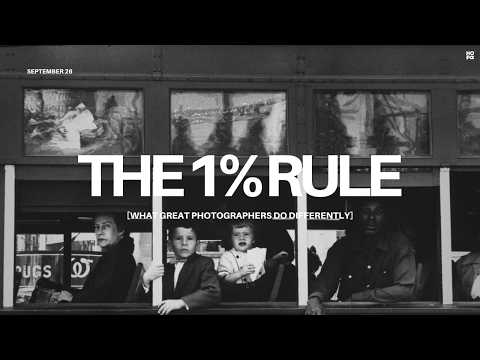 Learning from your failed shots
I’m watching Tatiana Hopper's YouTube video, Why Your Bad Photos Are Actually Important, where she makes the case that taking time to examine my photographs can help me grow as a photographer. What connects all of …
-
 Reading with a pencil
I found out about this idea on Austin Kleon’s blog while researching about Vladimir Nabokov’s butterflies. Kleon quoted Lewis Hyde on why he still walks with a butterfly net: I carry it in part to catch and …
-
 The more he saw the more he saw there was to see
At the end of the 40th anniversary edition of Zen and the Art of Motorcycle Maintenance, the correspondence between Pirsig and his editor is included. In it, Pirsig tells the editor that the book is finished. That …
-
 Bir hayal yakalayabilmek için bakmaktaydım
Sait Faik Abasıyanık’ın Semaver adlı kitabını okuyorum. Şehri Unutan Adam adlı hikayesinde şöyle bir paragraf dikkatimi çekti. Akşam oluyordu. Köşe başındaki tütüncüye uğradım. Güneş, satılmamış edebiyat …
-
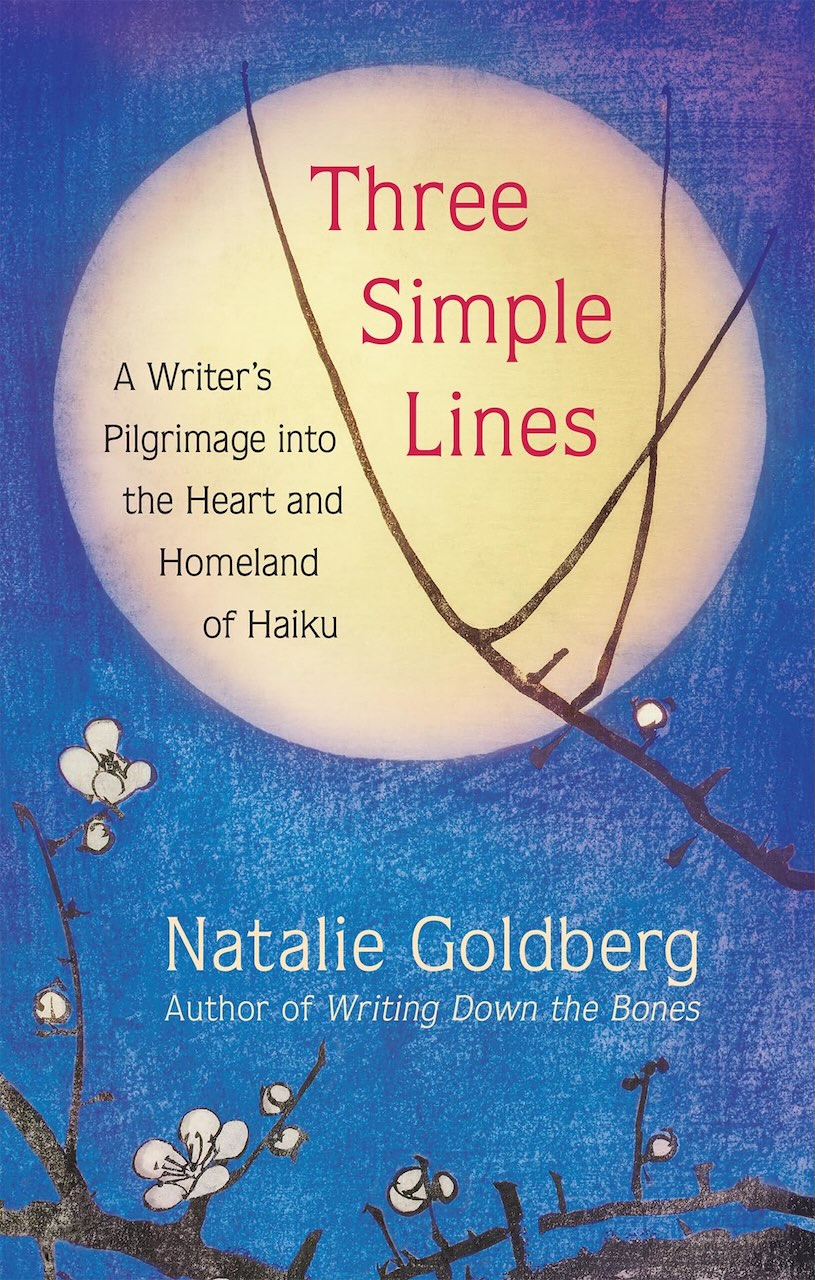 Years of searching for meaning revealed in a minute
I’m reading Natalie Goldberg’s book Three Simple Lines, in which she describes her visit to Japan as she traces the footsteps of haiku master Basho. Along with her travel companions, she meets Harada and his son, …