My having-oriented understanding of wisdom
I am reading Alone with Others by Stephen Batchelor. The first chapter of the book is about having and being, and this paragraph stood out to me:
It is symptomatic of our having-oriented culture that the most intellectually admirable individual is commonly regarded as he who has stored the greatest number of facts and is able to retrieve them from his memory in the shortest possible time.
Learning and education have frequently degenerated into the systematic accumulation of facts and figures already lying dormant in our memory.
This is surprising to me, as I have been leaning into learning as meaning making, or as a way of finding joy in life.
+
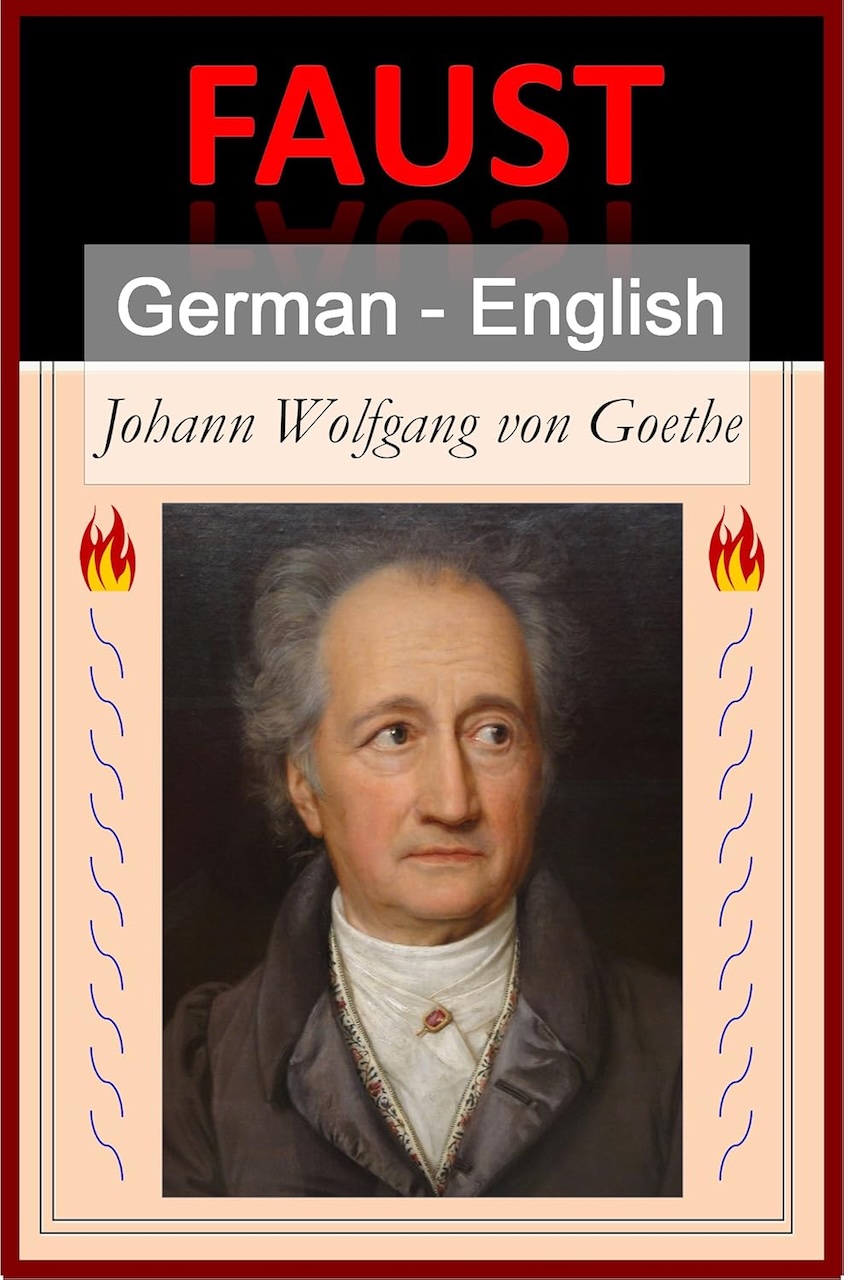
I just started reading Faust by Johann Wolfgang von Goethe, and in the introduction Peter Salm notes:
In his long life as a scholar, Faust has reached the melancholy conclusion that he will never know what is truly worth knowing, that he would be blinded by the light of truth, and must therefore be resigned to live with mere reflections and counterfeit images. Since he has little faith in even the devil's ability to satisfy his craving to the full, he is confident-though by no means cheerfully so - that he will win the bet. He fully expects that he will continue to live as he lived before, not truly advancing beyond the condition that made him say in the opening monologue:
— yet here I am, a wretched fool, no wiser than I was before.
— I don't pretend to know a thing worth knowing, I don't pretend that I can teach,