Photographs can transcend original intentions and motivations
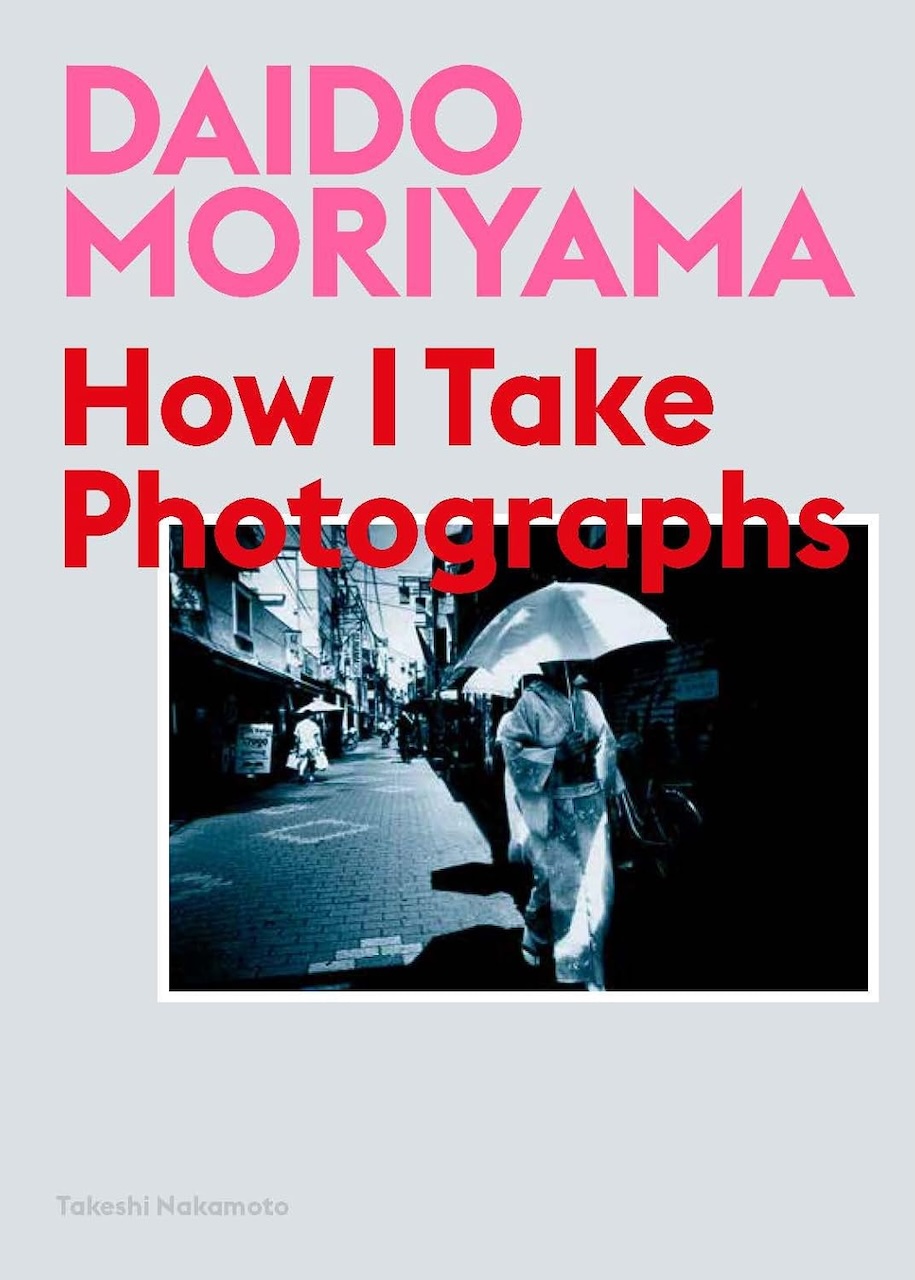
I am reading How I Take Photographs by Daido Moriyama and in contradiction with his previously noted statement that I should have an idea of what I want to capture, he states that I (the photographer) will eventually forget the ideas and intentions behind the photo and only what’s in the photo will remain, opening up possibilities for different interpretations.
Whatever it is that you thought you were capturing on the negative the instant you pressed the shutter button—it doesn’t take long for that to slip from your mind. Of course, in the instant you press the shutter button, a memory of the image flashes across your mind, together with the various things you’re thinking about in that moment—aesthetic considerations, concepts, desires. But whatever’s in the photograph stands completely independent of those thoughts. That is what remains—and it’s completely independent.
He also adds that someone else, sometime after the photo is taken, may derive an entirely different meaning from it. This reminds me of Alva Noë’s ideas on how life and art are entangled.
Photographs are things that can be brought to life, over and over again, any number of times, depending on their environment. Put it in another way: The only way you can ensure that a shot will ever be at all meaningful is if you take it. Don’t think too hard about it beforehand, don’t be too self-conscious or rational — just press the shutter button. There’ll be all the time in the world for other people to come along later and attach whatever implications or "meaning" they like to it.
I find it amusing that Moriyama’s advice keeps coming back to "just take a lot of photos".