The questions that are imperative and urgent
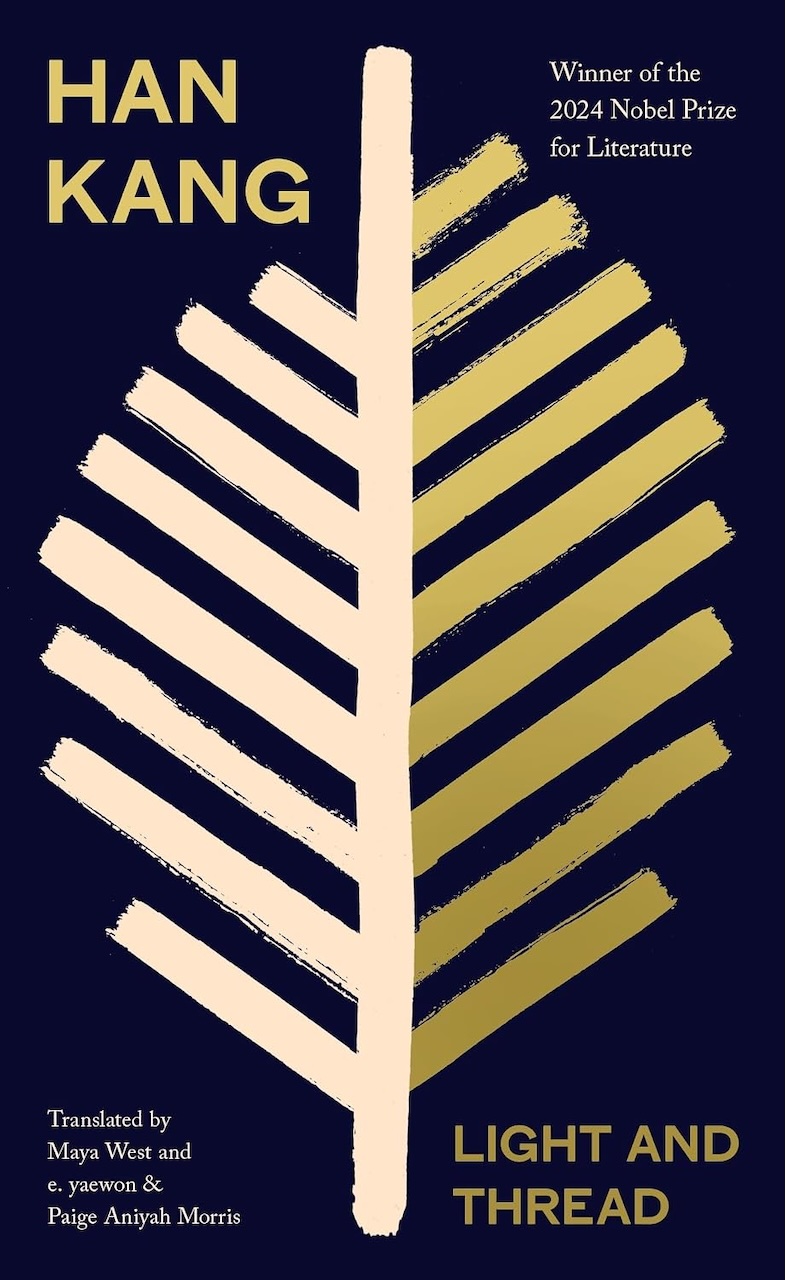
I am reading Han Kang’s book Light and Thread where she explains how it is possible for her to spend years working on a book:
[...] writing novels has a special pull on me. My books have taken me anywhere from a year to seven years to complete, for which I have exchanged considerable portions of my personal life. This is what draws me to the work. The way I can delve into, and dwell in, the questions I feel are imperative and urgent, so much so that I decide to accept the tradeoff.
Each time I work on a novel, I endure the questions, I live inside them. When I reach the end of these questions-which is not the same as when I find answers to them—is when I reach the end of the writing process. By then, I am no longer as I was when I began, and from that changed state, I start again. The next questions follow, like links in a chain, or like dominoes, overlapping and joining and continuing, and I am moved to write something new.
She then reveals the questions behind her books.
While writing my third novel, The Vegetarian, from 2003 to 2005, I was staying with some painful questions: Can a person ever be completely innocent? To what depths can we reject violence? What happens to one who refuses to belong to the species called human?
Ink and Blood, the novel that followed The Vegetarian, continues these questions. To refuse life and the world in order to refuse violence is an impossibility. We cannot, after all, turn into plants. Then how do we continue on? [...] Must we not survive in the end? Should our lives not bear witness to what is true?
With my fifth novel, Greek Lessons, I pushed even further. If we must live on in this world, which moments make that possible?
Like Didion, Kang seems to write in order to understand what she is thinking and feeling. Reading her made me wonder which questions feel most urgent to me now, and whether I’m willing to follow them, allowing the process to change me.