Three stages of proletarianization
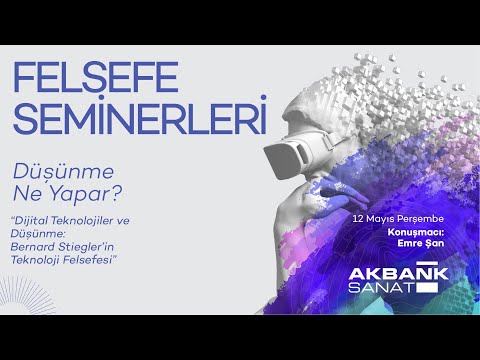
I was listening to Emre Şan discuss Bernard Stiegler’s ideas about proletarianization in Akbank Sanat’s YouTube series Felsefe Seminerleri.
For Stiegler, proletarianization means more than the working-class condition in the classical Marxist sense—the loss of ownership of the means of production. It also describes a broader loss of knowledge and autonomy brought about by the development of techniques and technologies.
Stiegler identifies three stages of proletarianization:
Proletarianization of Know-How (Technical Knowledge)
With industrialization and Taylorism, workers lose their know-how: machines and scientific work organization fragment gestures, making the worker interchangeable and ignorant of the overall process. This is the loss of « know-how » (technical knowledge).Proletarianization of Know-How to Live (Social Knowledge)
With the rise of mass consumption and cultural industries, not only work but daily life gets standardized. Individuals lose their social knowledge, traditions, and ability to « live well » together, replaced by models imposed by advertising, media, etc.Proletarianization of Know-How to Theorize (Intellectual Knowledge)
In the digital and algorithmic age, information technologies automate thinking, memory, and decision-making. Individuals lose the capacity to reflect, analyze, and theorize: this is the loss of « know-how to theorize » (critical and creative knowledge). Algorithms, search engines, and social networks turn us into passive consumers of information, unable to take a step back.
I’m excited to have discovered Bernard Stiegler’s work, since I’m also interested in both technology’s positive and negative effects. Stiegler explores this dual nature through the Greek word pharmakon, which can mean both poison and remedy.
Studying Stiegler may help us understand where our current uses of technology are leading us.