Reading in parallel for surprising connections
I wasn’t much of a reader until I started reading to my daughter every night, around 10 years ago. Since then, reading slowly became a part of my life, and looking back, a handful of ideas made it possible. Here are the ones I can recall:
I read in parallel
This has been the key idea that unlocked my frustration with books. Like Octavia Butler, I read several books at the same time. This leads to surprising connections between books, and sometimes something that happened during the day suddenly makes sense because of a line I read.
I keep books around the house. I leave books lying around on tables, in the kitchen, by the bed, even in the toilet. When I’m bored, I can reach for a book instead of my phone.
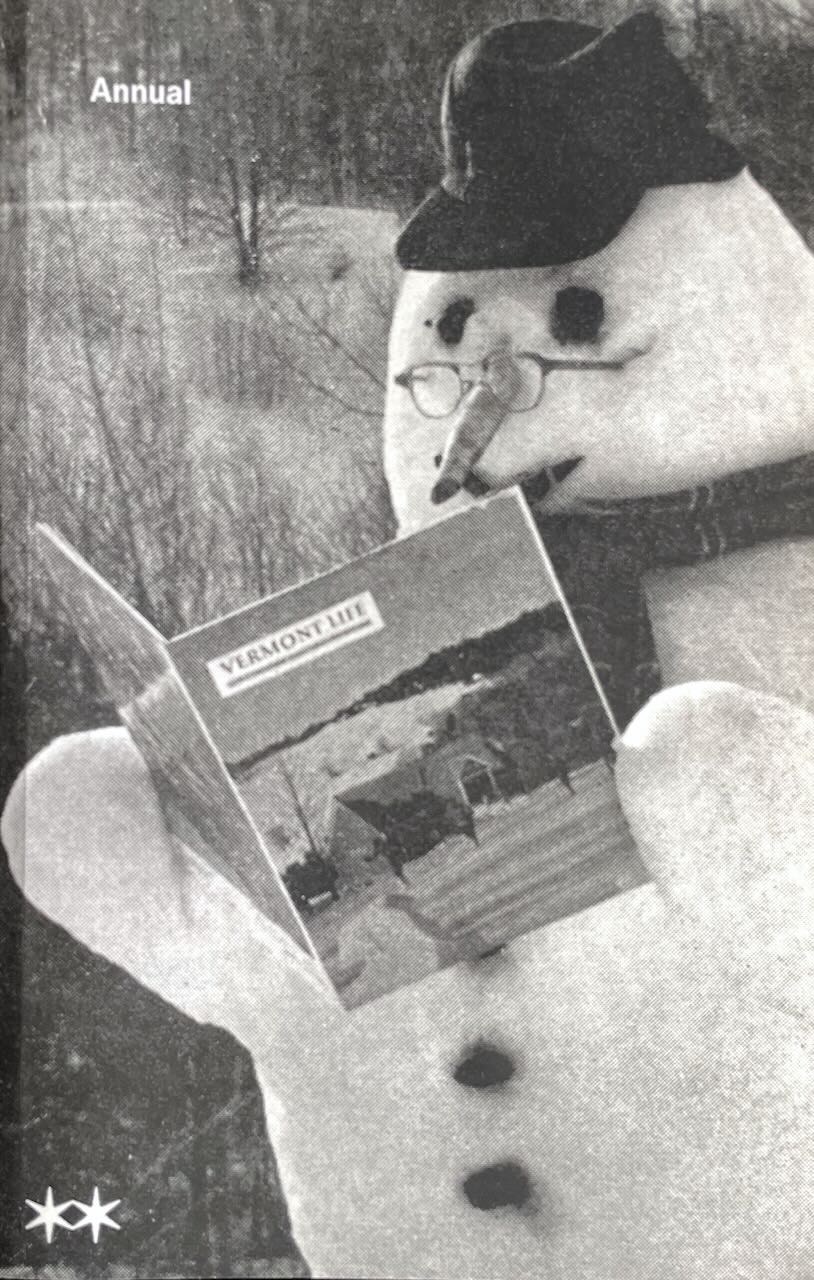
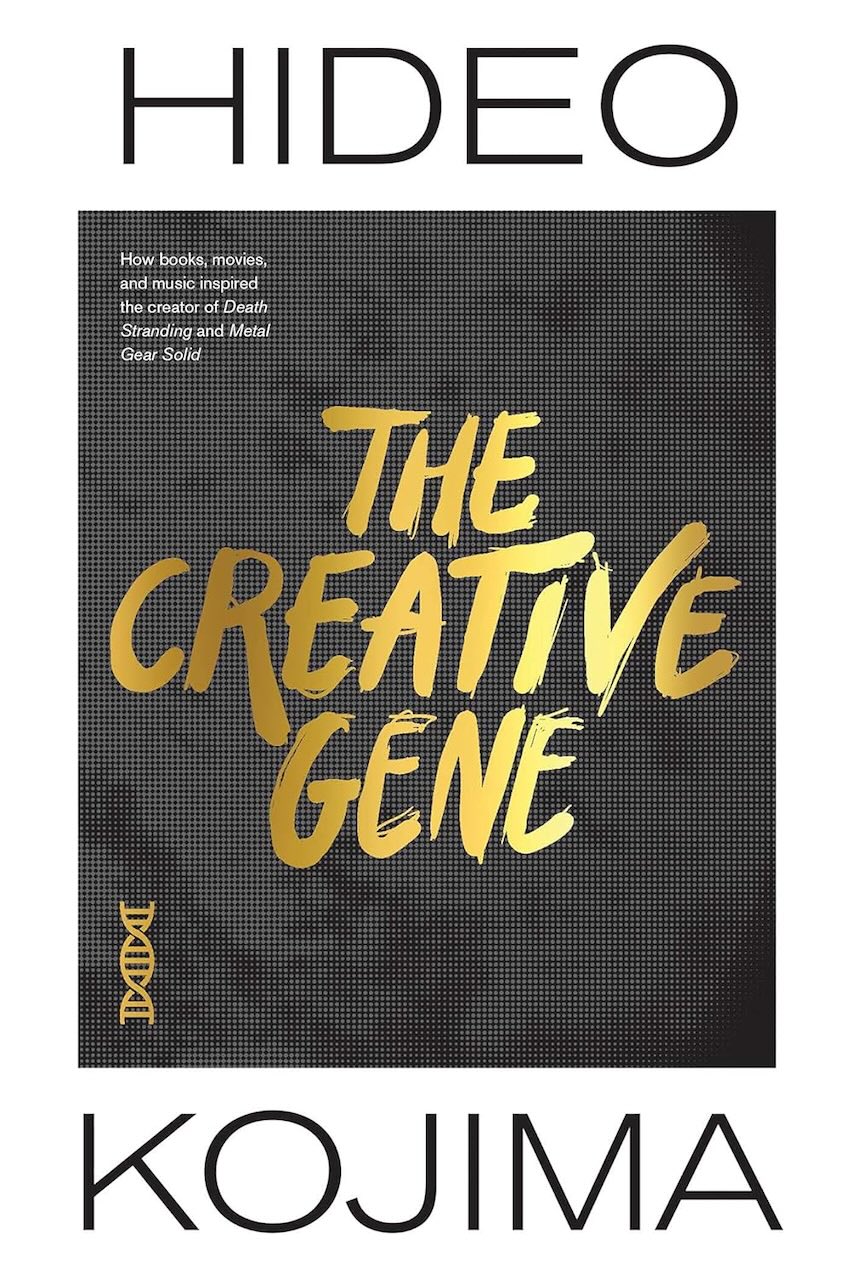
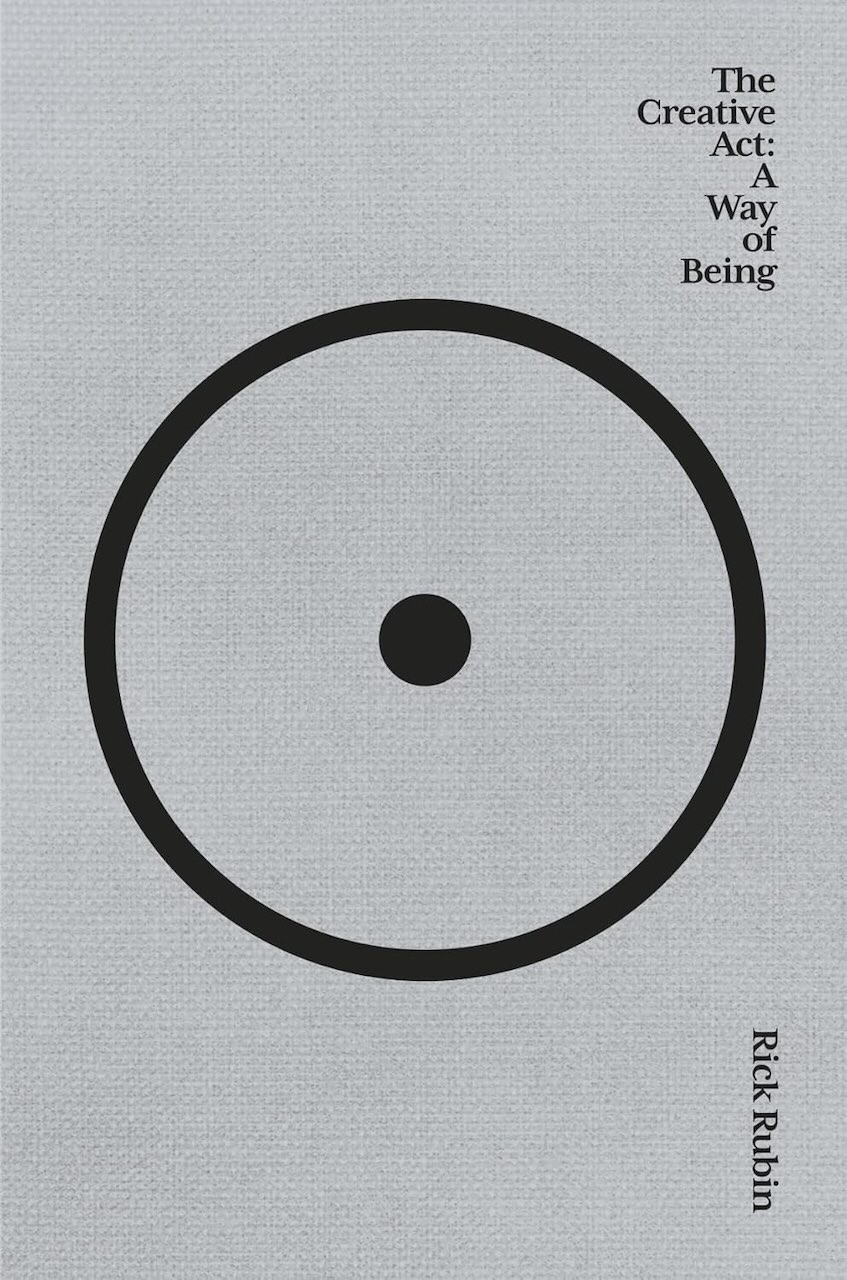
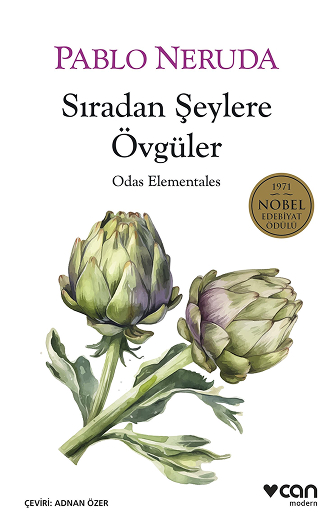
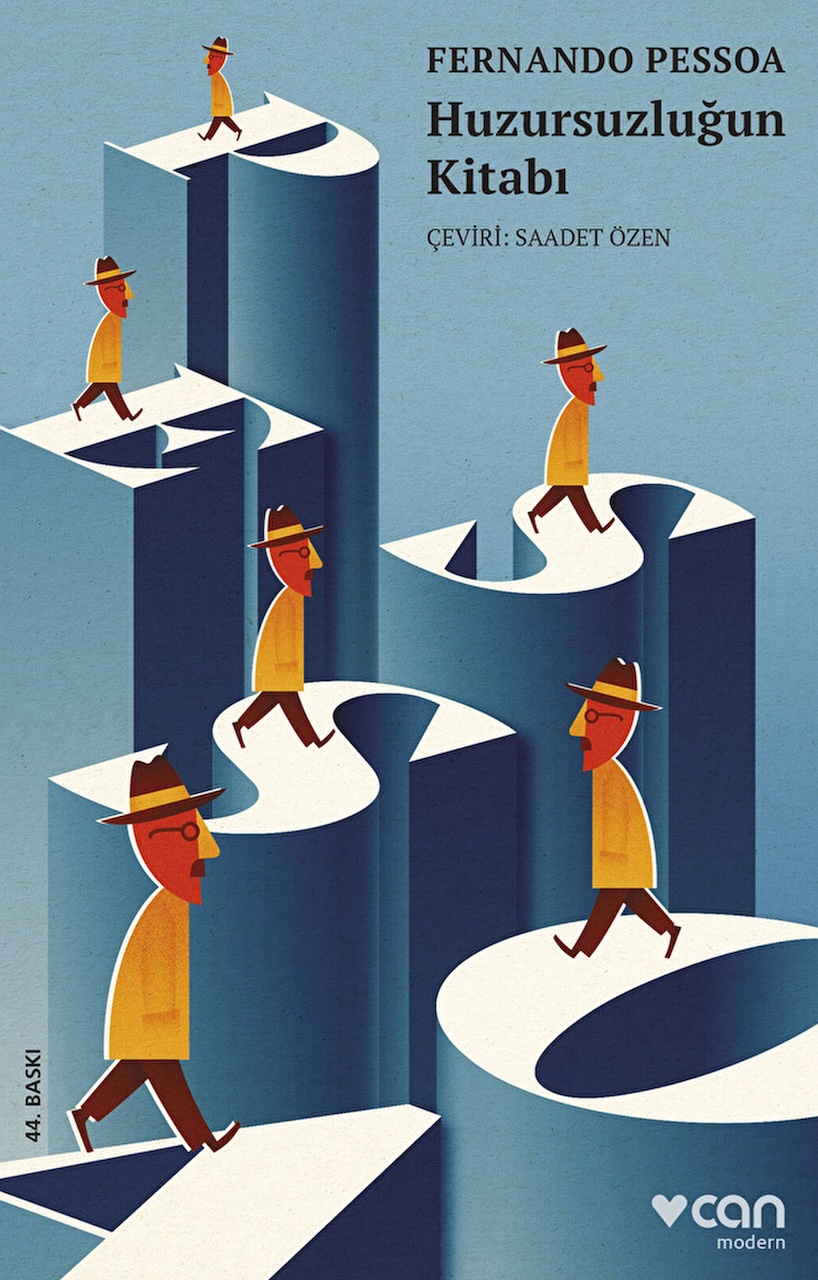
I mix in poetry, short stories, and essays. They’re perfect for quick reading. I can start and finish a small piece in one go. Here’s what I currently have lying around (at the time of writing): Arena Annual, Kojima’s The Creative Gene, Rubin’s The Creative Act, Neruda’s Ode to Common Things, Pessoa’s The Book of Disquiet.
I carry something to read with me. There are often little moments in the day when reading is possible, so I keep a book or a printed article in my bag.
I like having more books than I can read. I’m happy to be surrounded by interesting books that I am excited to read next. I feel like they create a constant pull and I don’t lose my rhythm to find what to read.
I read with a pencil in hand. I picked up this habit from Austin Kleon’s blog. The pencil puts me in a mode of noticing what I might underline, relate to and make my own. Sometimes I use my phone for this, at the risk of being interrupted.
I stop reading when I drift. If my mind wanders, I don’t force myself to keep going. Sometimes the drifting is the whole point.
I read for ideas, not to finish books. I’m happy if one sentence sparks something. I’m more interested in the author’s thinking process—their "card index," as Walter Benjamin puts it—than the book as a finished product.
Questions help me notice things. The more loose ends I’m carrying in my mind, the more often I stumble onto answers in unexpected places. It feels like coincidence, but it isn’t.
I build small worlds around themes. Example: Before and after my Japan trip, I surrounded myself with poems, travel diaries, films, podcasts, and music about Japan. Together with the actual trip, all of it blended into one connected, meaningful experience.