Combustion is the hidden principle behind every artefact we create
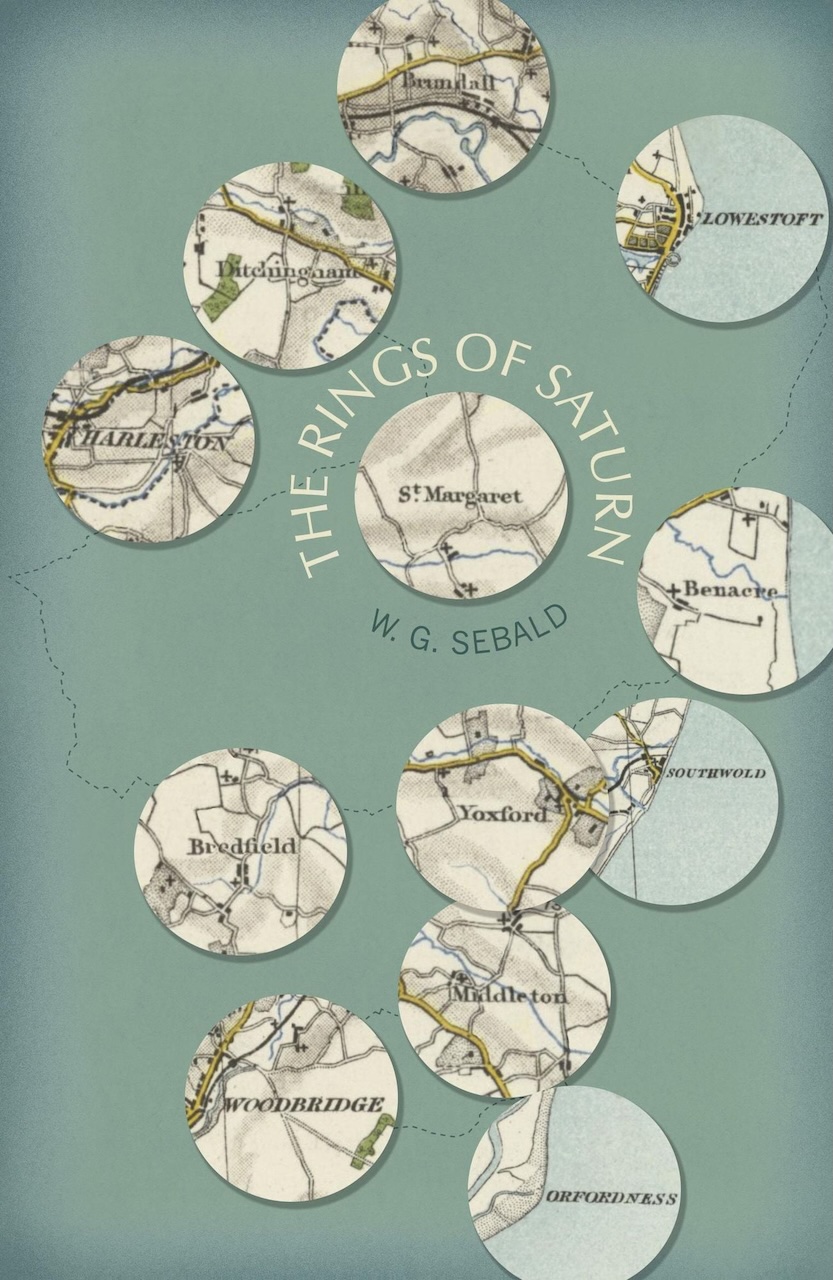
I am reading Rings of Saturn, and in chapter VII, W. G. Sebald writes that the entire British Isles were covered with dense forests after the last ice age.
This phase of evolution was halted when the first settlers burnt off the forests along those drier stretches of the eastern coast where the light soil could be tilled.
Sebald continues to write that whatever was left of the prehistoric European forests was used for ship construction and iron smelting:
By the seventeenth century, only a few insignificant remnants of the erstwhile forests survived in the islands... The great fires were now lit on the other side of the ocean. It is not for nothing that Brazil owes its name to the French word for charcoal.
What follows is one of my favorite passages from the book about our thirst for burning things down to reveal their energy.
From the first smouldering taper to the elegant lanterns whose light reverberated around eighteenth-century courtyards and from the mild radiance of these lanterns to the unearthly glow of the sodium lamps that line the Belgian motorways, it has all been combustion. Combustion is the hidden principle behind every artefact we create. The making of a fish-hook, manufacture of a china cup, or production of a television programme, all depend on the same process of combustion. Like our bodies and like our desires, the machines we have devised are possessed of a heart which is slowly reduced to embers. From the earliest times, human civilization has been no more than a strange luminescence growing more intense by the hour, of which no one can say when it will begin to wane and when it will fade away.