Leibniz’s monad concept
I am reading Didik Didik Freud by Serol Teber and Şenol Ayla and they referred to Tevfik Fikret’s lifestyle as “monadlaşmış” (monadic), describing the concept of monad as:
Monad, ünlü filozof Leibniz’in bulduğu bir kavram. Bir çeşit camsız, penceresiz, kapısız bir ünite, bir yapılanma ama aynı zamanda bir sanatkârın, felsefeyle, edebiyatla uğraşan, düşünen insanın kendi üzerine kıvrılması ve kapanması anlamına da geliyor monadlaşma. Hem bütün dünya ile ilişkisini kesmesi, hem de bu ilişkiyi beklenmedik boyutlara taşıması. Bir tür canlı ayna diyorlar buna. Bütün dünyada olup bitenleri kendisinde yansıtma, hem geçmişi özümleme hem de geleceğe dönük öngörülerde bulunma ki bu tam da Tevfik Fikret’in yaşamına uygun bir tavır. Fikret hem geçmişi çok iyi bilen hem de ileriye dönük öngörülerde bulunan bir şair.
+
According to Wikipedia:
The term monad (from Ancient Greek μονάς (monas)‘unity’, and μόνος (monos)‘alone’) is used in some cosmic philosophy and cosmogony to refer to a most basic or original substance. As originally conceived by the Pythagoreans, the Monad is the Supreme Being, divinity or the totality of all things.
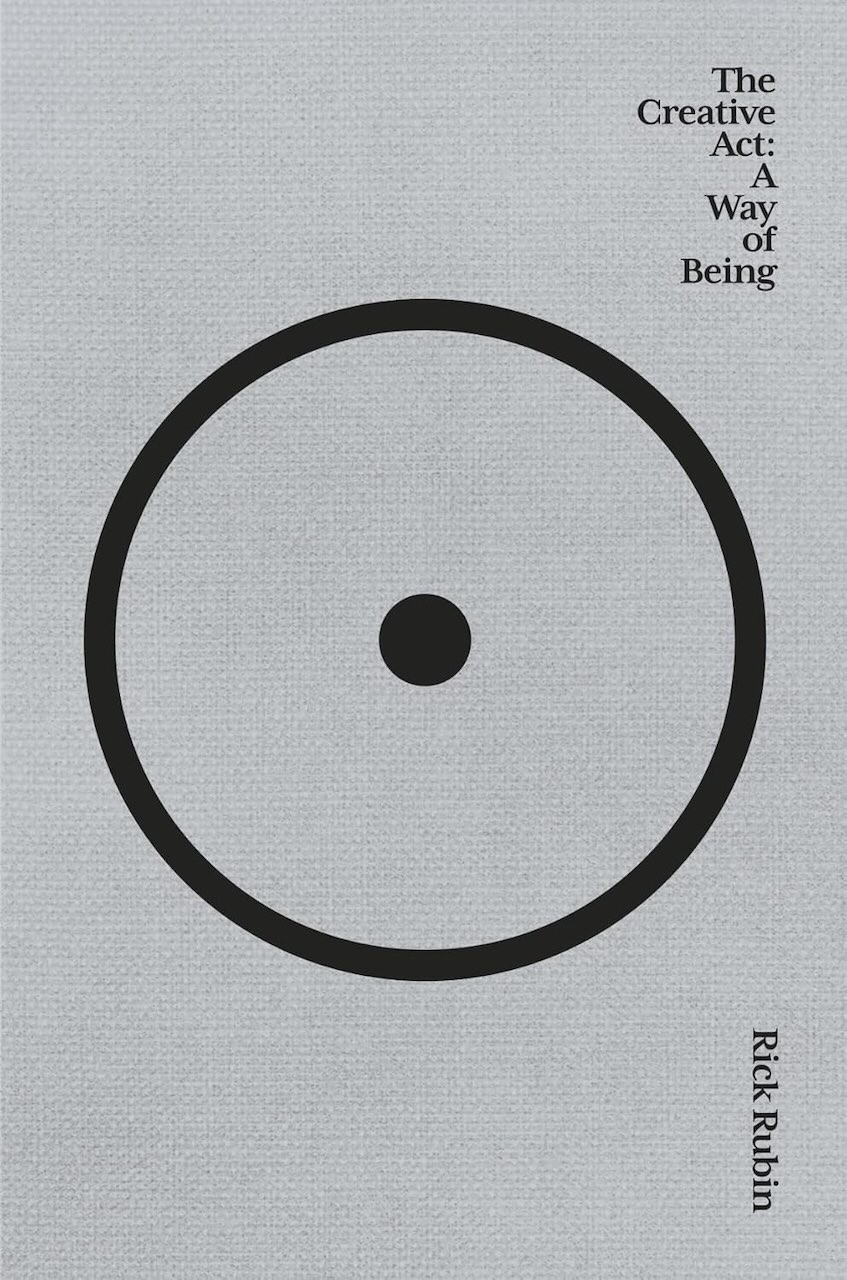
The Wikipedia page shows a Circle Dot image “used by the Pythagoreans and later Greeks to represent the first metaphysical being, the Monad or the Absolute.”
+
This is the same image Rick Rubin has on his latest book The Creative Act’s cover.
+
Apparently it is also used to represent the self in Jungian psychology.