The “we-ness” of being an octopus
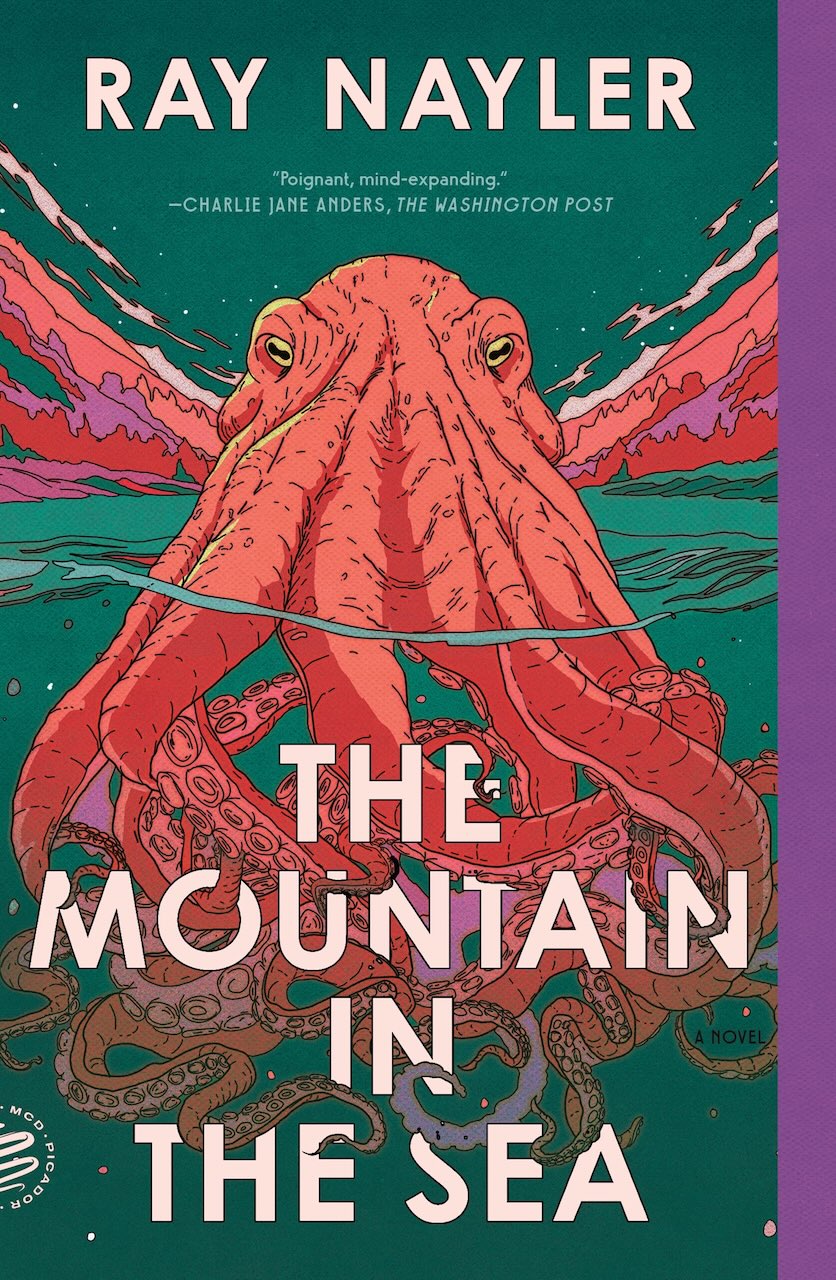
I’m reading The Mountain in the Sea by Ray Nayler, and there’s a section where he writes about Tibetan Maintenance Drones, the degree of independence built into them, and what it feels like to command them.
You can’t tell where your command ends and the response algorithm begins. It’s like an extension of the nervous system, but more than that: information in the system flows bi-directionally. It’s as if your limbs talked back-as if your limbs were little minds that innovate and improvise.
They will continue sequences and even operate on their own, innovating new sequences until you bring them back under centralized control. They will carry out sequences you began, but they will do it in their own way, continuously feeding more information into the system, exploring new ways of accomplishing a task.
It’s tricky for an operator: you aren’t strictly in control, like you are with the DIANIMA tech. The Tibetan operators aren’t "operators" in the DIANIMA sense: they are a part of what is called a "we-ness." They exist somewhere between central control and a distributive, innovating system. They aren’t separate from the machine: they are an element within it.
+
I’m now watching Pluribus on Apple TV by Vince Gilligan, and the hive mind in the show resembles this kind of we-ness. But so far, the characters inside the hive don’t seem able to improvise or innovate; the dynamic feels more like Gilligan modeled the alien we-ness on a hive-mind artificial intelligence instead of something distributed and creative in the way Nayler described.
++
I realized how some parts of this description map onto what people describe when working with multiple simultaneously running LLM agents. I haven’t tried it yet, but I’m curious about how it actually feels like to manage several agents running on a task together. Collaborating, communicating with each other, and communicating with me, the operator.