Thinking with the hand
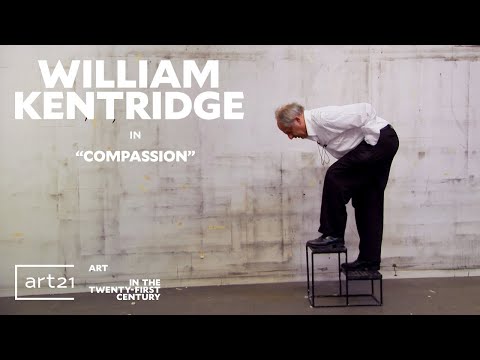
I am watching this YouTube video of William Kentridge working in his studio. In this part of the video he has a set-up for projecting frames from a footage on a desk and animating a paper-cut horse on top of it, frame by frame, moving the pieces of the horse with his hands and advancing the frames with what seems like a button next to his desk.
While doing this, he is talking about thinking with his hands. I had heard this before from Memed, who used to say "elin aklı vardır," (The hand has a mind of its own) which I didn’t fully grasp back then. I even saw a similar phrase on a Leuchturm notebook wrapper: "denken mit die hande."
It is after arriving at the idea of the feedback loop Interacting with the world through feedback loops and chasing the relationship between cognition and art that I can now understand what this means, thanks to Kentridge’s clear language.
Here’s Kentridge explaining what he means by this;
I think one does think with one’s hands, and that’s why a keyboard is not a good place for me to think. Some people think very well on a keyboard, but I need the fidgeting of charcoal, scissors, or the tearing of something in my hands—almost as if there’s a different brain controlling how that works. There’s an uncertainty in what you’re doing, an imprecision, so that when you look at it, you’re not carrying out something you already know. Instead, you rely on recognizing something as it appears.
Kentridge is fidgeting with bits of paper while talking about this. He is trying to decide where each piece fits in relation to the last piece he just moved and he can only do this by acting and reacting in a loop.
Recently, I’ve been experimenting with this method by sketching trees. Starting to put dots on an empty paper, densing and sparsing my strokes and marks while squeezing my eyes—even removing my glasses—trying to see or rather imagine the tree emerging on the paper as I am drawing it.
Here’s the video, beginning at the part I described:
And here’s Kentridge’s stating that it’s not that he has talent for doing this but rather he allows himself the space and place to do this:
What I can do—what anyone can do—is recognize things as they emerge. It’s not that I’m better at recognizing eight pieces of paper as a horse than anyone else. What I do do is allow myself the luxury of saying, "This is how I’m going to spend months and years of my life—arranging stupid pieces of paper and then saying,‘Ah! A horse,’ every day, as if it’s something fresh."
+
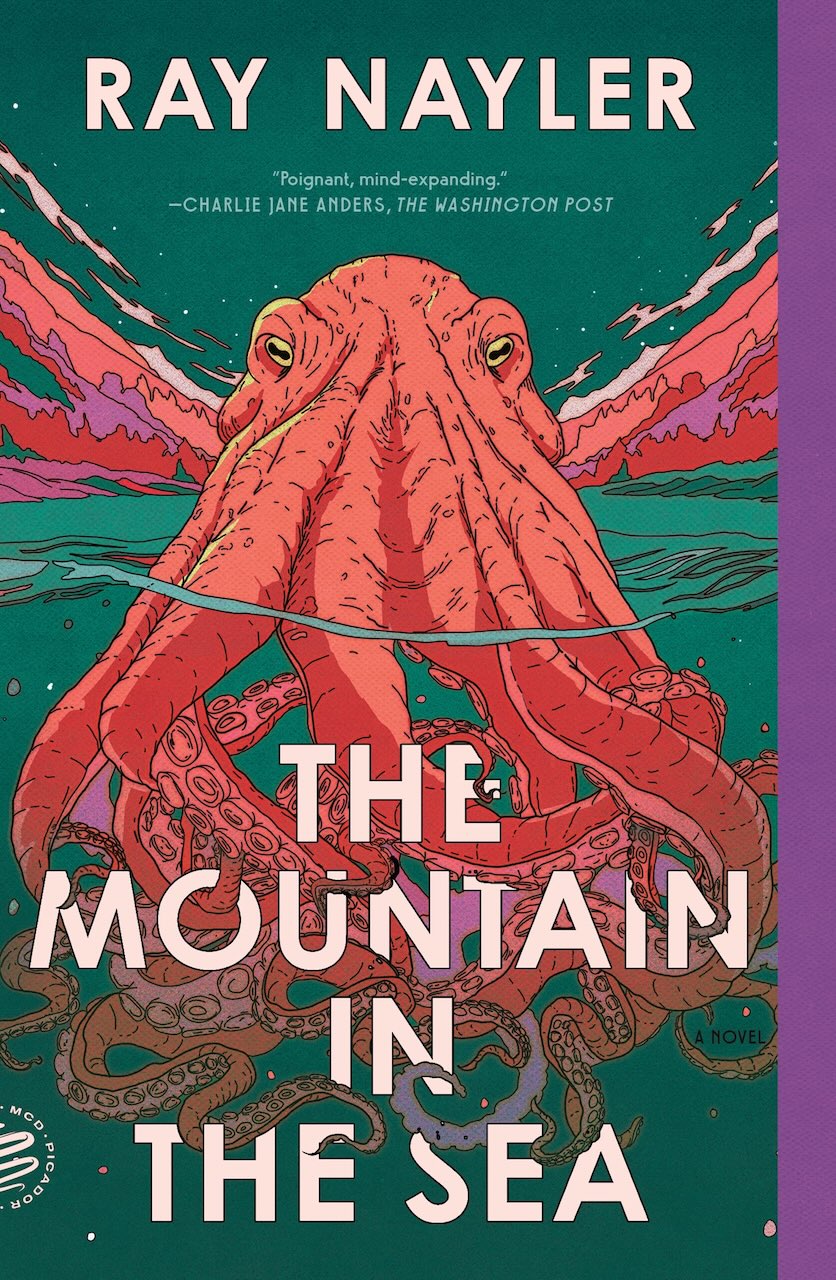
Kentridge’s words, "... something in my hands—almost as if there’s a different brain controlling how that works" reminded me reading about how Octopuses have actual thinking hands! Ray Nayler describes this in his book The Mountain in the Sea as the "we-ness" of being an octopus