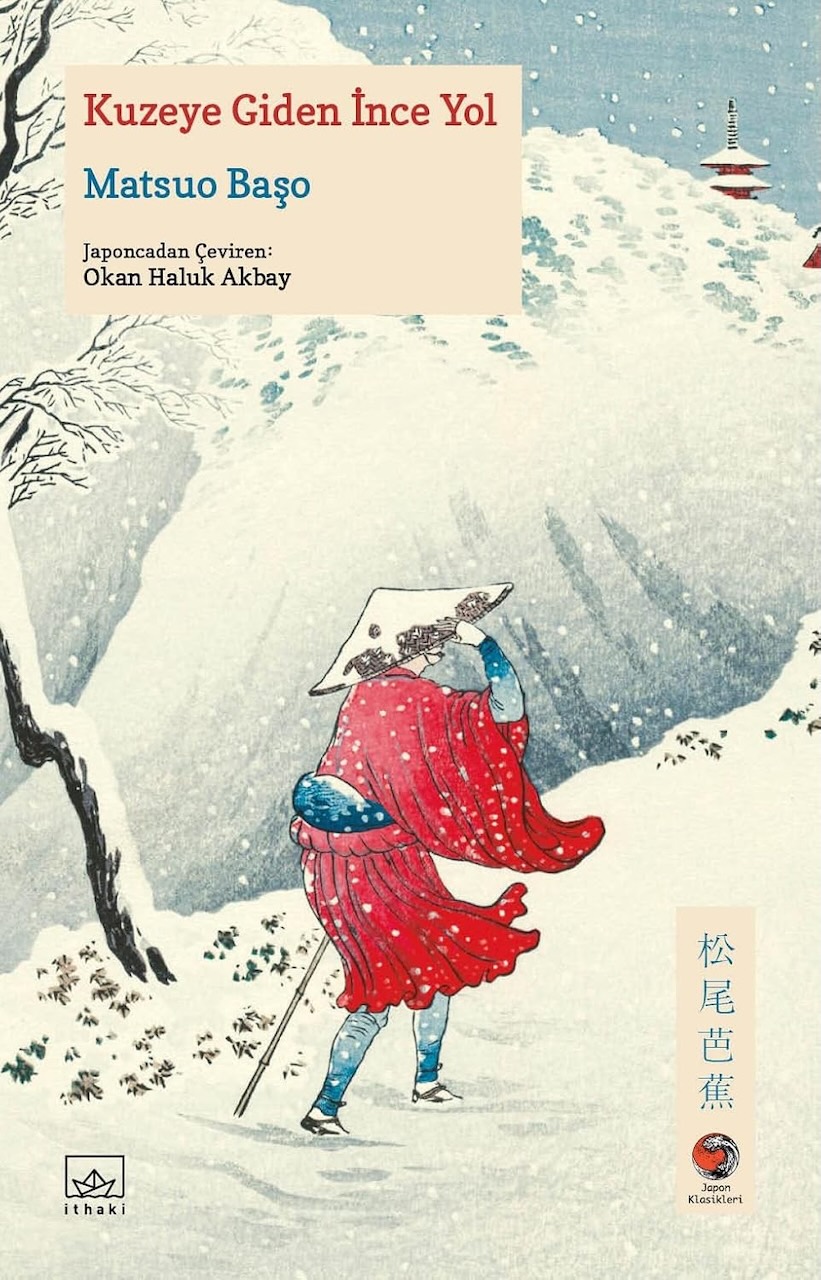
Writing haiku to notice fleeting moments
I was reading Matsuo Bashō’s The Narrow Road to the Deep North, and at one point, after passing through a famous gate, he reflects on how he did not get a chance to write a haiku there. The remark is brief, but it felt familiar to how I sometimes notice something and fail to pause and pay attention.
I briefly put the book aside and looked up what defines a haiku. To my surprise, I found it closely aligned with my interest in being aware of fleeting moments. Haiku is concerned with capturing a particular moment — not an abstract idea, but a subtle shift in feelings, often revealed through seasons and simple, concrete details of the world around us.
In Japanese, it follows a specific structure of three lines arranged in a 5–7–5 pattern of syllables, while in Western languages it is practiced more loosely, often in everyday speech.
As I was reading and trying to internalize this, I wrote my first haiku:
cold fingers
warm phone—
my first haiku